
|

Join Me at Women In Film Malibu Breakfast November 9th!


Larry Thompson's Thriller Thursday!
TT5 – The Messiah Matrix, with author Ken Atchity

Podcast: Play in new window
| Download (Duration: 27:08 — 18.8MB)
A thriller of Biblical proportions from The Story Merchant
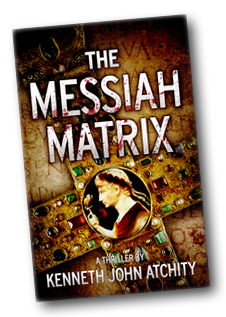
Ken Atchity joins us once more to discuss his new novel, The Messiah Matrix, how it was published, and prospects for this and other novels with Hollywood potential. More than modern thriller (which it definitely is), The Messiah Matrix is a thought-provoking, original examination of the origins and evolution of modern Christianity.
From the website:
The Messiah Matrix is a contemporary thriller that takes the reader on an exhilarating quest from the ancient city of Caesarea to Rome’s catacombs and beyond, and provides gripping confirmation for all those who have ever wondered about the actual historical existence of the “Christian Savior”.The Messiah Matrix website is here: http://www.messiahmatrix.com.
The Messiah Matrix may prove to be the most thought-provoking thriller ever written. Classical scholar and Yale Ph.D. Dr. Kenneth John Atchity is the only author alive today capable of creating this literary and historically-based masterpiece.
Guest Post: Giving to Your Career When It's Not Giving Back by Dennis Palumbo
Hollywood on the Couch
 Years ago, I worked with a screenwriter patient who regularly claimed to have two great loves: her teenaged daughter Susie, and writing. I remember vividly her struggles during a particularly turbulent period in her life. Her last two scripts for a major studio had gone nowhere, and a current one had just been handed over to another, younger---and, by implication, “hotter”---writer.
On the home front, there were daily battles with her increasingly rebellious daughter. Finally, during one of our sessions, my patient came to a painful realization.
“Lately,” she said haltingly, as though baffled by the idea, “I don’t think I like the things that I love.”
On the evidence, it was easy to see her dilemma. Now in her 40’s, she’d worked hard to carve out a screenwriting career. There’d been moderate success, a produced credit or two, with the accompanying money. There’d always been another development deal or a six-week re-write. Her agent always returned her phone calls. But more important than any of these, she’d always loved to write...
But in recent years, things had slowly unraveled. Whether due to ageism or a changing film market, her career had stalled. Maybe her own creative energies had flagged: divorce and a new life as a single parent can do that to you. For whatever reason, the job offers were fewer. Her work was more often rejected, or hugely re-written. She sank into that state so tellingly phrased by Satre: incomprehension and rage.
Her daughter Susie, now sixteen, was an equally infuriating challenge to the idea of unconditional love. Her rebellion---what therapists often refer to as “age-appropriate differentiation”---was taking the usual form: sex, drugs, and an almost pathological inability to agree with her mother about anything.
As my patient and I worked together during this period, I kept her words in my mind. Lately, I don’t think I like the things that I love. On the surface, the meaning was clear: she loved her daughter, and she loved writing, but at the moment both seemed to offer nothing but grief, rejection, and humiliation.
But beyond the obvious, what was my patient saying to me? That she could only love something as long as she liked it, in the sense of receiving appropriate personal and professional rewards from it? Hardly. Raising her daughter had always been a struggle, as it is for most parents, yet her love for Susie only grew with the years. Likewise her writing career, marked by the same triumphs and failures as most writers experience. Yet she’d always approached every new writing job with the breathless excitement of an astronaut setting foot on a new planet.
So what was I missing? I found out soon enough, during a session, when I reminded her of what she’d said about not liking the things she loved. Apparently, she’d forgotten she’d even said it. She was even embarrassed by it now.
“I said I didn’t like Susie? Or writing?”
“Not that anyone would blame you. Remember what’s been going on with your daughter? As of last week, you two weren’t even speaking.”
“That’s right. I got tired of being told to go screw myself every two minutes.”
“As for your career,” I continued, “aren’t you being re-written by some smart-ass kid who just signed a multi-million dollar deal?”
“Yeah, and thanks for reminding me about his deal. I’d almost succeeded in blocking it out.”
“Look,” I said, “you’re getting hammered by the two things you love most. How could you be okay with that?”
“But it has to be okay,” she replied. “Or else...“
Her words trailed off. I took a guess.
“Or else it means you don’t really love your daughter, and you don’t really love writing. There’s no space in your conception of loving these two things for you to be disappointed. For them to occasionally break your heart.”
She nodded. “I’m only allowed to be disappointed in myself...for failing them.”
I tried to choose my next words carefully. “When we love something, whether our work, a mate or a child, we better figure on disappointing it...and enduring the times it will disappoint us. If we’re not vulnerable to that, I don’t think we have a right to even call it love.”
She looked up sharply. Pointed a painted nail in my direction. “Now you’re starting to piss me off...”
“Of course I am. We’re in a relationship, too. A micro-version of the one you have with your daughter, or even with your work. We’re bound to piss each other off sometimes.”
She sat back in her chair, digesting this. “So I just get through all this... this anger at everything, until---“
“Until you’re okay with it. And then it’s just another feeling, more—“
“I know. More grist for the mill. Christ, you’ve said it enough times. But the way I’ve been feeling lately...it just sucks.”
“Sounds like it.”
She looked off, at the sky outside my picture window. “Getting through this...could take a long time.”
“Probably. Your relationship to Susie, and to your writing, might go through a lot of changes. But I’m betting you’ll come to some sort of peace with both of them.”
Her eyes narrowed. “A long time...”
I shrugged. “You going anywhere?”
She hesitated only a moment, then almost smiled. Then shook her head.
The inside scoop on Tinseltown, USA.
On the home front, there were daily battles with her increasingly rebellious daughter. Finally, during one of our sessions, my patient came to a painful realization.
“Lately,” she said haltingly, as though baffled by the idea, “I don’t think I like the things that I love.”
On the evidence, it was easy to see her dilemma. Now in her 40’s, she’d worked hard to carve out a screenwriting career. There’d been moderate success, a produced credit or two, with the accompanying money. There’d always been another development deal or a six-week re-write. Her agent always returned her phone calls. But more important than any of these, she’d always loved to write...
But in recent years, things had slowly unraveled. Whether due to ageism or a changing film market, her career had stalled. Maybe her own creative energies had flagged: divorce and a new life as a single parent can do that to you. For whatever reason, the job offers were fewer. Her work was more often rejected, or hugely re-written. She sank into that state so tellingly phrased by Satre: incomprehension and rage.
Her daughter Susie, now sixteen, was an equally infuriating challenge to the idea of unconditional love. Her rebellion---what therapists often refer to as “age-appropriate differentiation”---was taking the usual form: sex, drugs, and an almost pathological inability to agree with her mother about anything.
As my patient and I worked together during this period, I kept her words in my mind. Lately, I don’t think I like the things that I love. On the surface, the meaning was clear: she loved her daughter, and she loved writing, but at the moment both seemed to offer nothing but grief, rejection, and humiliation.
But beyond the obvious, what was my patient saying to me? That she could only love something as long as she liked it, in the sense of receiving appropriate personal and professional rewards from it? Hardly. Raising her daughter had always been a struggle, as it is for most parents, yet her love for Susie only grew with the years. Likewise her writing career, marked by the same triumphs and failures as most writers experience. Yet she’d always approached every new writing job with the breathless excitement of an astronaut setting foot on a new planet.
So what was I missing? I found out soon enough, during a session, when I reminded her of what she’d said about not liking the things she loved. Apparently, she’d forgotten she’d even said it. She was even embarrassed by it now.
“I said I didn’t like Susie? Or writing?”
“Not that anyone would blame you. Remember what’s been going on with your daughter? As of last week, you two weren’t even speaking.”
“That’s right. I got tired of being told to go screw myself every two minutes.”
“As for your career,” I continued, “aren’t you being re-written by some smart-ass kid who just signed a multi-million dollar deal?”
“Yeah, and thanks for reminding me about his deal. I’d almost succeeded in blocking it out.”
“Look,” I said, “you’re getting hammered by the two things you love most. How could you be okay with that?”
“But it has to be okay,” she replied. “Or else...“
Her words trailed off. I took a guess.
“Or else it means you don’t really love your daughter, and you don’t really love writing. There’s no space in your conception of loving these two things for you to be disappointed. For them to occasionally break your heart.”
She nodded. “I’m only allowed to be disappointed in myself...for failing them.”
I tried to choose my next words carefully. “When we love something, whether our work, a mate or a child, we better figure on disappointing it...and enduring the times it will disappoint us. If we’re not vulnerable to that, I don’t think we have a right to even call it love.”
She looked up sharply. Pointed a painted nail in my direction. “Now you’re starting to piss me off...”
“Of course I am. We’re in a relationship, too. A micro-version of the one you have with your daughter, or even with your work. We’re bound to piss each other off sometimes.”
She sat back in her chair, digesting this. “So I just get through all this... this anger at everything, until---“
“Until you’re okay with it. And then it’s just another feeling, more—“
“I know. More grist for the mill. Christ, you’ve said it enough times. But the way I’ve been feeling lately...it just sucks.”
“Sounds like it.”
She looked off, at the sky outside my picture window. “Getting through this...could take a long time.”
“Probably. Your relationship to Susie, and to your writing, might go through a lot of changes. But I’m betting you’ll come to some sort of peace with both of them.”
Her eyes narrowed. “A long time...”
I shrugged. “You going anywhere?”
She hesitated only a moment, then almost smiled. Then shook her head.

Join Me at Women In Film Malibu Breakfast November 9th
|
Listen to My Podcast on Larry Thompson's Thriller Thursday

A thriller of Biblical proportions from The Story Merchant
Ken Atchity joins us once more to discuss his new novel, The Messiah Matrix, how it was published, and prospects for this and other novels with Hollywood potential. More than modern thriller (which it definitely is), The Messiah Matrix is a thought-provoking, original examination of the origins and evolution of modern Christianity.From the website:
The Messiah Matrix is a contemporary thriller that takes the reader on an exhilarating quest from the ancient city of Caesarea to Rome’s catacombs and beyond, and provides gripping confirmation for all those who have ever wondered about the actual historical existence of the “Christian Savior”.
The Messiah Matrix may prove to be the most thought-provoking thriller ever written. Classical scholar and Yale Ph.D. Dr. Kenneth John Atchity is the only author alive today capable of creating this literary and historically-based masterpiece.
Dr. Fuddle's Tree Lighting Festivities
ALL ARE INVITED
TO JOIN THE FESTIVITIES!
SATURDAY,
NOVEMBER 17, 2012
Musical
Performance from 12-9
LIGHT
THE HOLIDAY TREE AT 9 PM
WITH
DR. FUDDLE AND GOLD BATONS!

Dr. Warren
Woodruff, author of Dr. Fuddle and the Gold Baton
Will be signing
books all day in Dr. Fuddle’s Holiday Booth
$25 Hardback
Collector’s Edition/$15 Soft Cover
HOPE
TO SEE YOU THERE!
Subscribe to:
Posts (Atom)